
5,000 claims, zero errors: The child benefit automation that changed everything.
By shifting child benefit reviews from a manual process to a rule-driven automation, GW reduced errors and improved efficiency for the Isle of Man’s benefits department, with positive outcomes for the team and benefit recipients.

Accuracy, efficiency, and trust in benefit processing
Each year between July and September, the Isle of Man’s Benefits Processing Services (BPS) team manually reviewed over 5,000 Child Benefit claims involving children aged 18 and over. Staff had to check each case, remove ineligible children, and close or reassign claims where needed. The process was resource-heavy, error-prone, and unsupported by existing systems, which lacked even basic logic to filter or automate by child age. The result was a recurring operational bottleneck that consumed time, created IT dependencies, and exposed the organisation to compliance and reputational risk.

Manual processes were limiting data visibility
Without automation, the BPS team handled each transition manually, navigating complex benefit rules and exceptions such as twins or families with mixed ages. The absence of system logic or audit trails led to inconsistent rule application, limited transparency for compliance teams and perhaps most critically, delayed or inaccurate payments. This not only created problems for the team, but had a significant impact on residents. To reduce manual effort and improve accuracy, consistency, and control, the process had to be streamlined, automated and modernised.

Rule-driven automation built into the core system
GW worked with the Isle of Man Government to design and deliver a rule-based PL/SQL automation within the existing system. The new system automatically identifies eligible and ineligible claims, applies the correct business logic, and records every action in a fully auditable log. It also integrates with external tax services to validate income data and maintain compliance. By embedding automation directly into the benefits system, GW created a sustainable solution that removes manual reviews entirely while maintaining accuracy, traceability, and scalability for future updates.
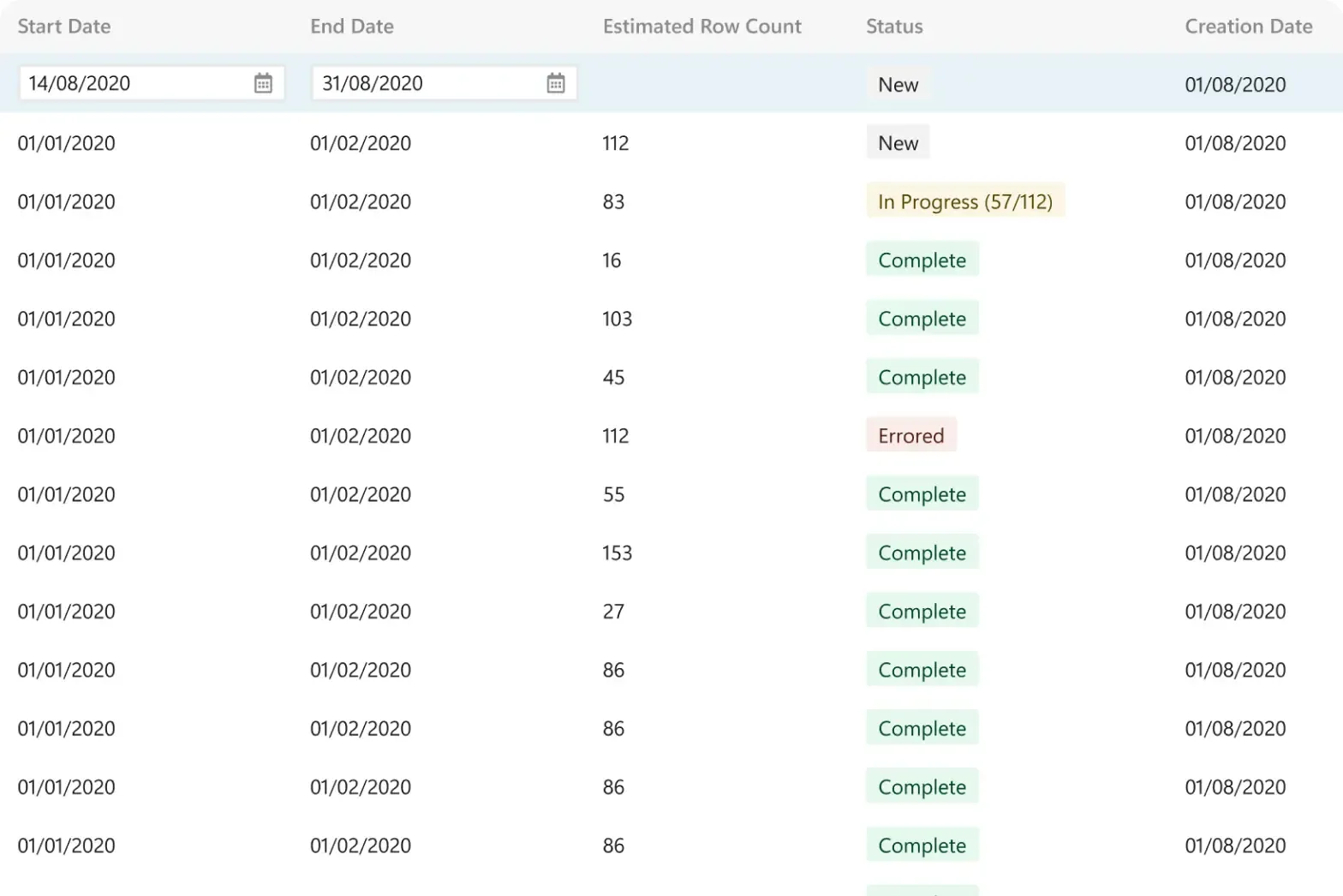
90% less manual work, 100% compliance, zero errors
The new process transformed annual claim reviews, cutting manual processing time by 90% and achieving full compliance with benefit policy rules. Accuracy improved across all cases, eliminating errors and freeing staff to focus on higher-value work.
With a full audit trail and scalable design, the system now delivers faster, more consistent outcomes every year, strengthening both efficiency and public trust.

Technical steps
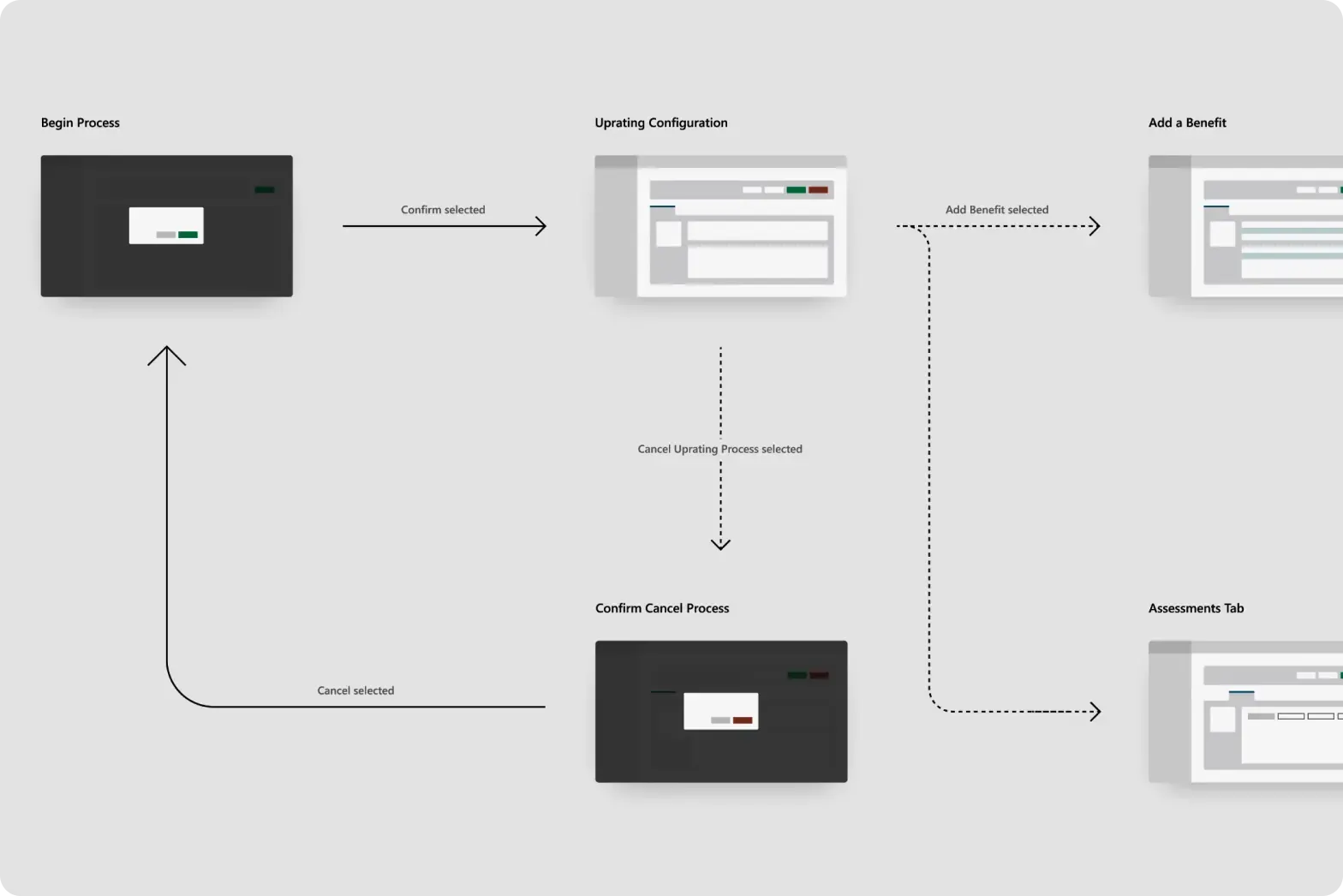
Discovery workshops: mapped workflows, edge cases, and dependencies.
Collaborative rule design: co-developed decision logic aligned with benefit policy.
Prototyping and simulation: tested the automation with real data before deployment.
Stakeholder sign-offs: validated accuracy and auditability throughout development.
Knowledge transfer: trained internal teams and delivered clear documentation for ongoing use.
This structured, co-creative approach ensured rapid delivery, smooth adoption, and long-term sustainability.
The Intelligence Blueprint in action
By focusing on a single, high-volume process, the Isle of Man Government delivered measurable value quickly: greater efficiency, perfect compliance, and full transparency through embedded automation. It’s a clear demonstration of the Intelligence Blueprint approach, tackling one process at a time to build lasting operational intelligence across the organisation.
See how you can apply the Intelligence Blueprint methodology in your business, one valuable use case at a time.
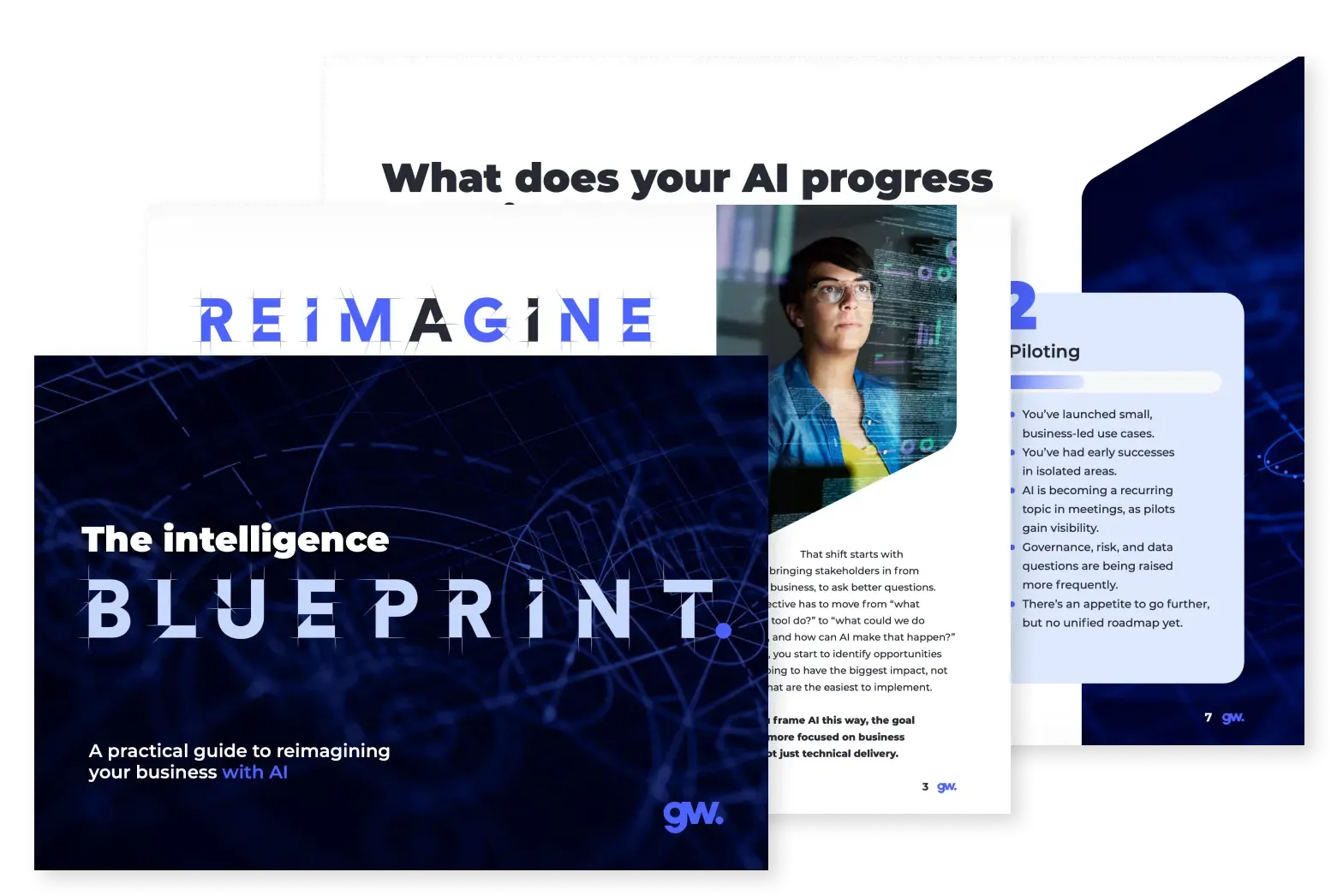
The Intelligence Blueprint: A practical guide to reimagining your business.

Conclusion
Automation That Delivers Confidence and Compliance
By embedding rule-driven automation into its benefits system, the Isle of Man Government has reduced manual effort, improved accuracy and delivered a transparent, compliant process at scale. The solution builds trust for both internal teams and benefit recipients while creating a foundation for further digital improvement.